Luxury Interior Design in Texas: Creating Homes That Feel Exclusive, Not Merely Decorated
Mar 1 · 6 min read
An editorial perspective on refined interiors across San Antonio and the Texas Hill Country.
In Texas, scale has never been the problem. Land is generous. Ceilings are high. Footprints expand easily across rolling acreage in the Texas Hill Country or behind the gates of San Antonio luxury homes. Yet for all this spatial abundance, truly exclusive interiors remain rare.
Many homes are beautifully built. Many are well furnished. But few feel composed at a level where architecture and interior design are inseparable. The difference between a home that feels “decorated” and one that feels exclusive is subtle yet profound. It lies in intention long before the first sofa is placed.
Luxury Interior Design in Texas is entering a more disciplined era—one where interior space is not treated as a layer added after construction, but as an architectural condition shaped from the beginning.
The Problem with “Decorated” Homes
A decorated home is reactive. It responds to what already exists. Furnishings are selected to fill space. Art is chosen to occupy blank walls. Lighting is installed to correct shadows. The result can be attractive, even impressive, yet something feels incomplete.
Proportion may be slightly off. The scale of furniture may compete with ceiling heights. Window placements may limit layout flexibility. Materials might clash subtly because they were sourced in different phases of the project.
In contrast, an exclusive home is proactive. It is designed from the inside out.
The interior architecture anticipates the furnishings. Circulation patterns respect furniture placement. Electrical planning aligns with where lighting, art, and millwork will live. The home does not feel styled—it feels resolved.
In Texas, where Custom luxury home design often prioritizes exterior grandeur, the interior must be equally disciplined to achieve true refinement.
Architecture as the Foundation of Interior Design
Exclusivity begins with architectural services in Texas that understand interior space as a structural experience, not an afterthought.
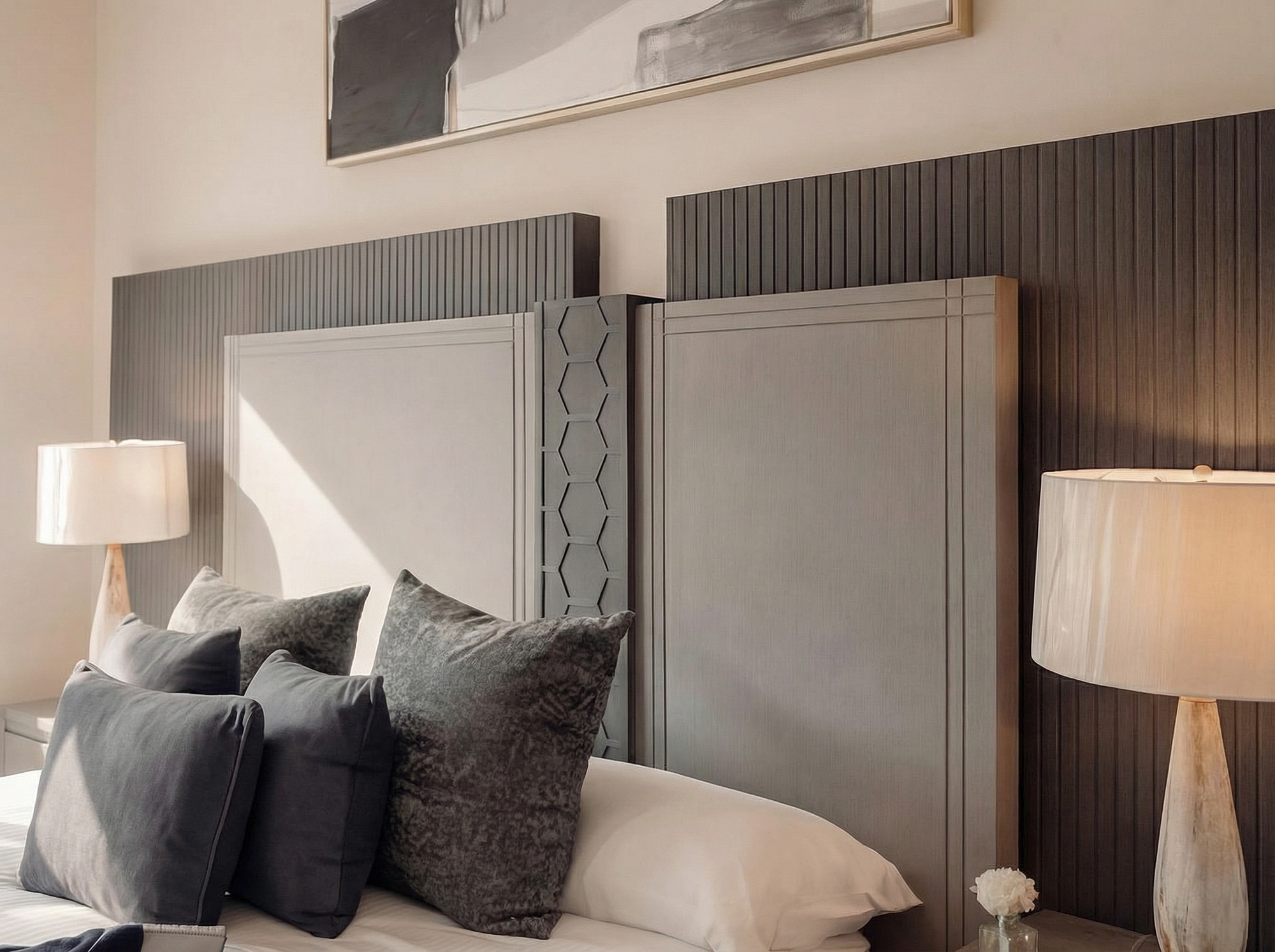
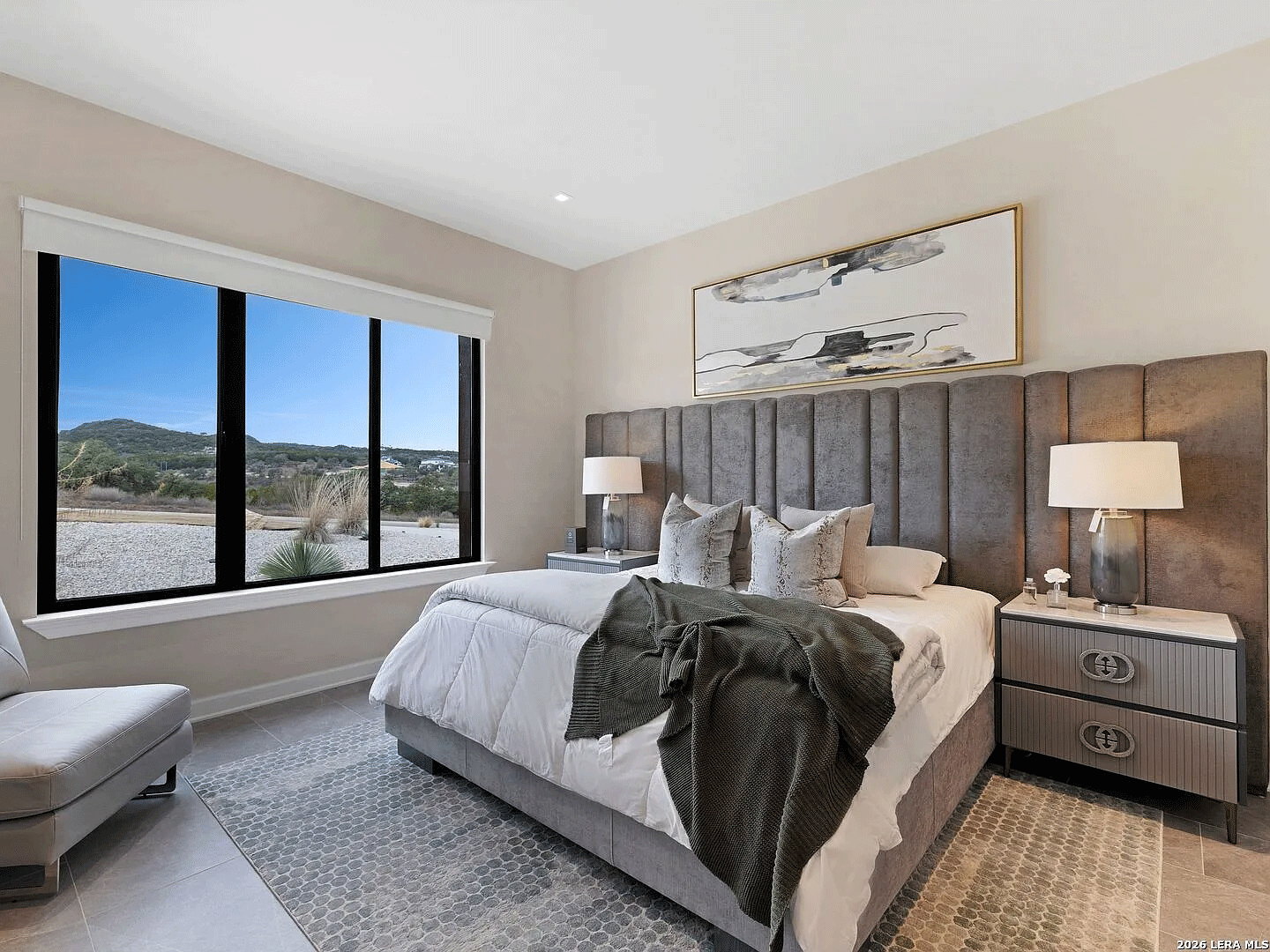
Ceiling heights, for example, are not merely aesthetic decisions. They determine how furniture reads within a room. A 12-foot ceiling in a primary suite allows vertical breathing room for tall upholstered headboards and layered drapery. Window dimensions influence how natural light interacts with textures. Wall expanses determine whether art feels intentional or misplaced.
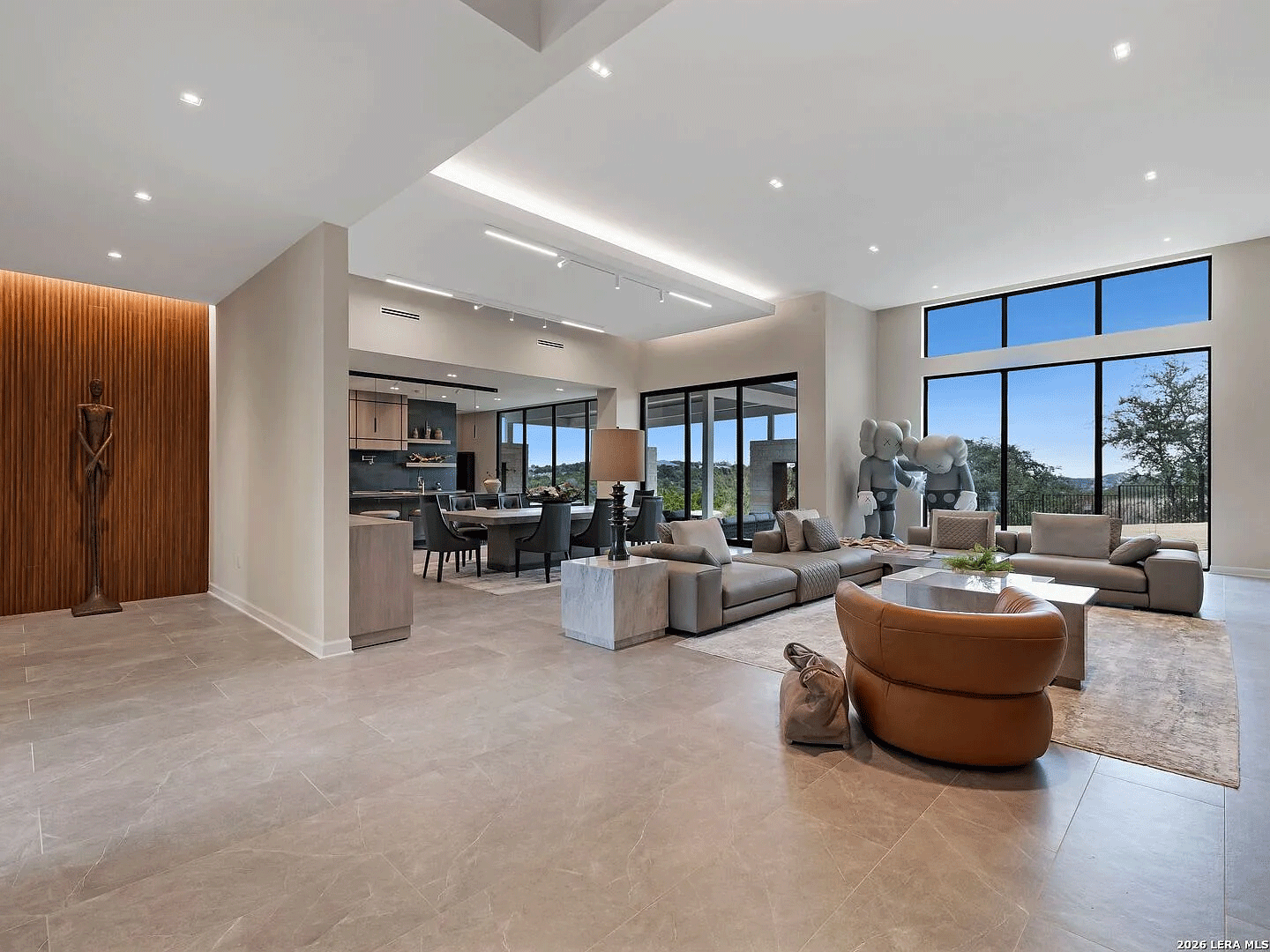
In San Antonio luxury homes, where transitional and contemporary styles dominate, clean wall planes are increasingly valued. A “quiet” wall—free of unnecessary niches or interruptions—offers flexibility for large-scale furnishings and art installations. It also gives the space composure.
In Texas Hill Country homes, where expansive views are a defining feature, window scale must be balanced carefully. Oversized glazing invites landscape in, but it must be proportioned to preserve usable wall space for furnishing and lighting design. True Luxury Interior Design in Texas respects both the view and the room’s functionality.
When architectural services and interior planning are aligned early, the result feels inevitable rather than assembled.
Material Continuity and Permanence
Another hallmark of exclusivity is material continuity.
Decorated homes often rely on contrast for impact—mixing finishes, textures, and statement elements to create visual interest. Exclusive homes rely on restraint. Materials are chosen not only for beauty but for how they age, how they respond to Texas light, and how they interact across rooms.
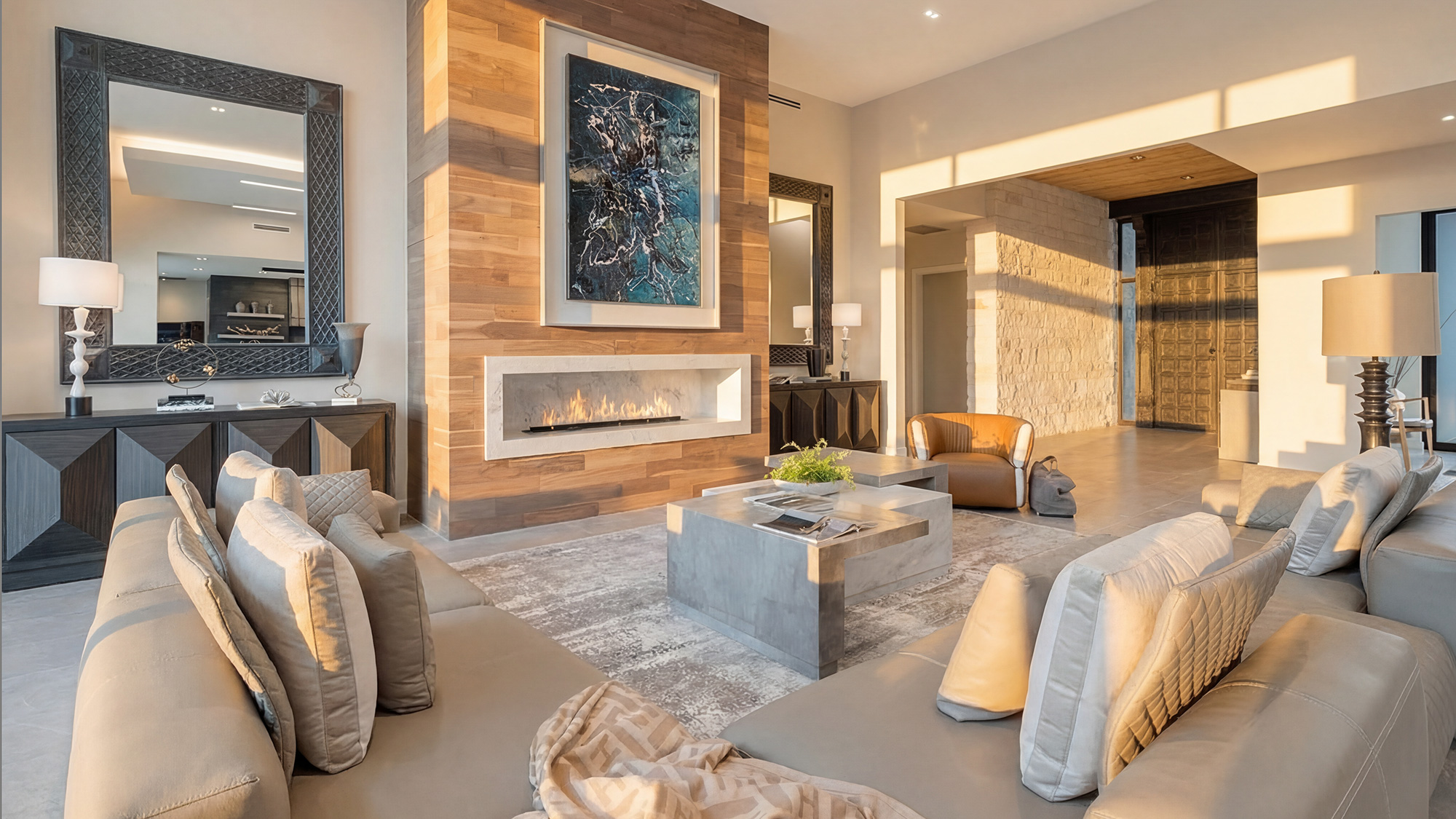
In the Hill Country, limestone, plaster, warm woods, and subtle metals reflect the region’s natural palette. In more urban San Antonio settings, tailored millwork, honed stone, and soft architectural lighting create a sense of controlled sophistication.
Luxury Interior Design in Texas is increasingly about permanence. Finishes are selected with a 20-year vision. Flooring is not simply fashionable—it must complement custom furnishings and architectural lines. Cabinetry is not only functional—it becomes part of the spatial rhythm.
This continuity is what separates exclusive homes from those that feel styled in phases.
The Role of Custom Furnishings
Furniture is often misunderstood as decoration. In exclusive interiors, it is architecture at a smaller scale.
Custom upholstery dimensions should respond to room proportions. Dining tables should align with ceiling fixtures. Built-in millwork must consider how freestanding pieces will relate to it visually and physically.
In many high-end projects across Texas, a furnishing-led approach is redefining how homes are conceived. Rather than selecting furniture after construction, certain boutique practices begin with furnishing concepts that inform architectural planning. The home is shaped around how it will ultimately live.
This philosophy is quietly present in firms that integrate furnishing design with architectural services in Texas. When a design house manufactures or designs its own collections, it gains control over proportion, scale, and detailing. The result is not a showroom inside a house—it is a unified environment.
Khamila Design House, for example, operates through this integrated lens. As a luxury furnishing-led practice in San Antonio, its architectural collaborations are often tailored to ensure that spatial dimensions, wall compositions, and millwork accommodate bespoke furnishings from the outset. The effect is subtle but transformative: interiors feel resolved because they were conceived as a single composition.
This integration avoids the disjointed feeling that occurs when architecture and furnishing are developed in isolation.
Light as a Structural Element
Texas light is powerful. It can elevate a space or overpower it.
Exclusive interiors treat light as a structural element. Window placement, drapery recesses, ceiling coffers, and artificial lighting systems must work together.
In Texas Hill Country homes, morning light may flood east-facing rooms with intensity. Without thoughtful material selection, surfaces can glare or fade. In San Antonio luxury homes, layered lighting—recessed architectural illumination combined with sculptural fixtures—creates depth after sunset.
Planning for lighting early ensures that outlets, switches, and control systems support the intended design. A well-positioned switch should never be hidden behind a door or obstructed by millwork. Electrical planning that anticipates art lighting, motorized drapery, and integrated headboards contributes to both function and refinement.
Luxury Interior Design in Texas is increasingly technical in this regard. It blends aesthetics with performance.
Privacy and Spatial Hierarchy
Exclusivity is not only visual; it is experiential.
In Custom luxury home design, spatial hierarchy defines how one moves from public to private zones. A well-designed primary suite feels distinct from the main living areas. Within that suite, the bathroom should offer layered privacy—separate spaces for bathing and WC, ideally with natural light and ventilation.
This attention to hierarchy elevates daily rituals. It also reinforces the idea that luxury is not about ornamentation but about thoughtful planning.
Texas homes are often generous in size, but exclusivity depends on how that space is organized. A rectangular bedroom with clear wall planes offers far more flexibility than an irregular room filled with unnecessary angles. A bathroom with 10-foot ceilings can feel intimate yet expansive if proportioned correctly.
These architectural decisions directly influence the success of interior design.
The Discipline of Restraint
One of the most significant shifts in Luxury Interior Design in Texas is the move toward restraint.
Instead of layering bold statements in every room, designers are allowing architecture and proportion to carry the narrative. Color palettes are becoming more refined. Textures are layered subtly rather than dramatically.
In high-end San Antonio projects, neutral foundations allow bespoke furnishings and art to speak without competition. In Hill Country estates, materials echo the landscape rather than overpower it.
Exclusivity is often quiet.
This approach requires confidence. It demands that every line, material, and furnishing piece justify its presence. It also requires collaboration between architecture, interior design, and construction teams.
Khamila Design House exemplifies this restraint through its appointment-only model, where furnishing collections are developed with architectural context in mind. By limiting projects and focusing on integration, such practices demonstrate how exclusivity is cultivated—not mass-produced.
Construction Collaboration and Execution
Even the most thoughtful design can fail without disciplined execution.
Luxury Construction in Texas must align precisely with interior intent. Millwork tolerances, stone installation, lighting alignment, and plaster finishes require craftsmanship that matches the design’s ambition.
In San Antonio luxury homes, where clients increasingly expect seamless integration between architecture and interior design, collaboration between design house and builder is essential. Construction teams must understand that they are executing not only structural plans but spatial experiences.
When architectural services in Texas are paired with furnishing integration and coordinated construction oversight, the outcome feels cohesive. Corners align. Materials transition gracefully. Built-ins feel inevitable rather than inserted.
The home does not reveal the process behind it. It simply feels complete.
A Texas-Specific Evolution
Texas is unique. Its climate, culture, and land shape its homes.
Luxury Interior Design in Texas must respect regional identity while remaining globally informed. Hill Country homes should acknowledge their surroundings without resorting to cliché. Urban residences in San Antonio should balance contemporary refinement with warmth.
As the market matures, clients are increasingly sophisticated. They recognize the difference between a well-decorated space and a fully integrated one. They understand that exclusivity is not achieved through excess but through alignment.
Custom luxury home design is no longer just about square footage or imported finishes. It is about coherence—between structure, furnishing, light, and daily life.
Designing Homes That Feel Exclusive
An exclusive home feels effortless. Furniture fits naturally. Light enhances rather than competes. Materials age gracefully. Circulation feels intuitive. Privacy is respected.
There is no sense of correction or compensation. Nothing feels added to fix what should have been anticipated.
Luxury Interior Design in Texas is reaching this level when architecture, furnishing, and construction operate as one disciplined vision. When design houses approach projects from a furnishing-led perspective—developing architectural services tailored to their collections and collaborating closely with builders—the results transcend decoration.
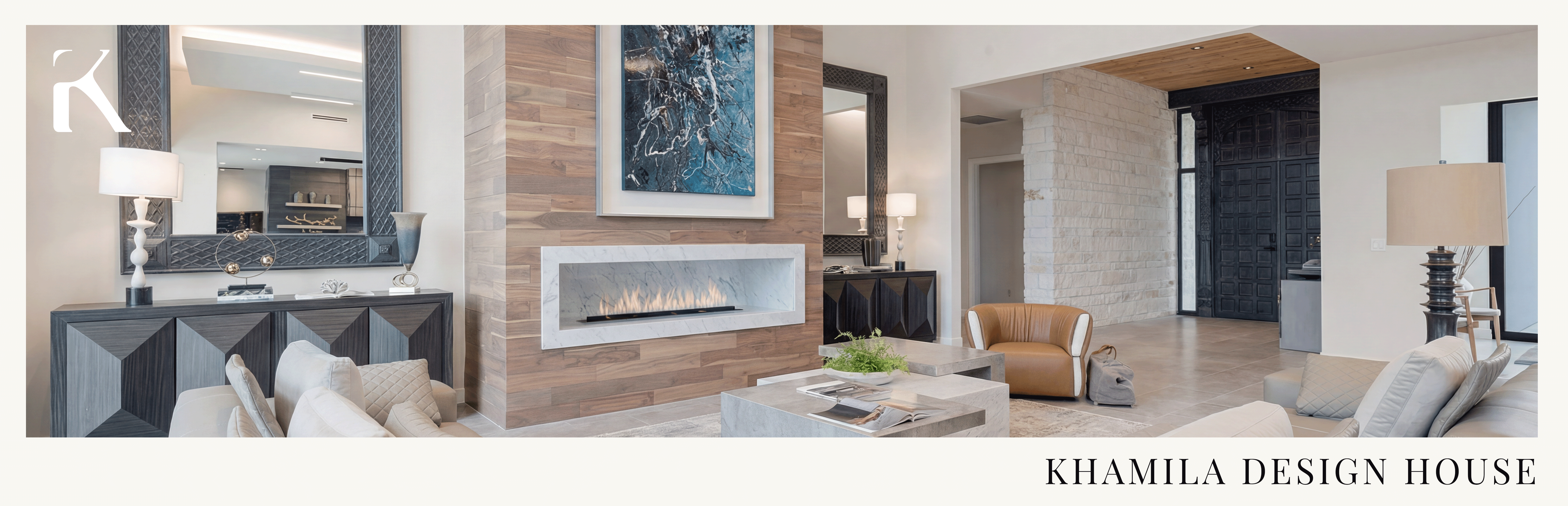
In San Antonio luxury homes and Texas Hill Country residences alike, the future belongs to integrated practice.
Exclusivity is not about ornament. It is about coherence.
And coherence, in the end, is what makes a home feel complete.